Multi-Host Logistics: The Challenge of a Tri-Nation World Cup
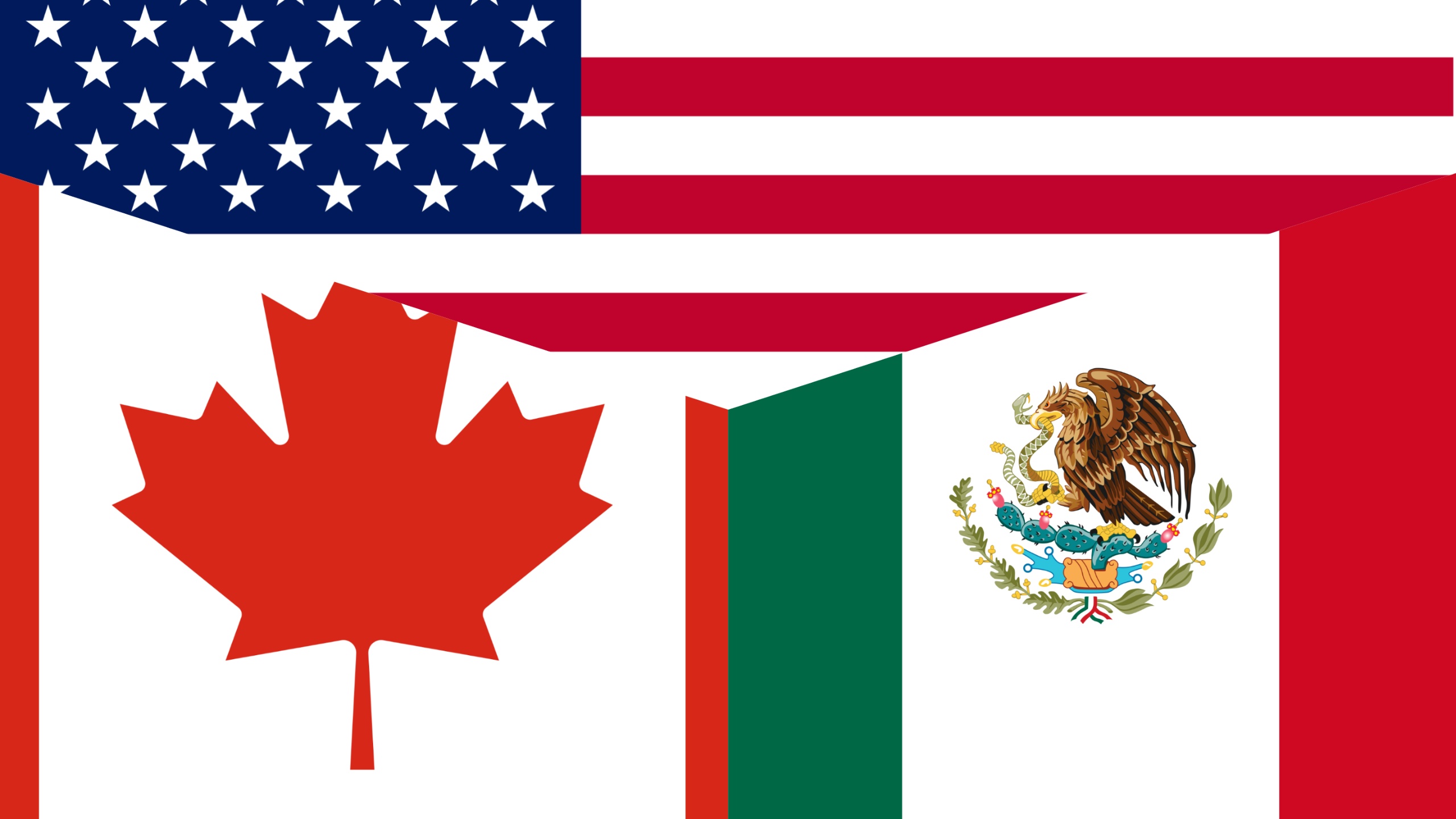
The countdown to the 2026 FIFA World Cup is well and truly underway, and while fans are dreaming of packed stadiums and unforgettable moments, behind the scenes lies one of the most complex logistical operations in sporting history.
For the first time ever, the World Cup will be hosted across three countries: the United States, Canada, and Mexico. Add in the expansion to 48 teams, and suddenly this isn’t just a tournament; it’s a global mega-event that will redefine how football is organised, consumed, and experienced.
For students and aspiring professionals in sports management, events, and media, this World Cup offers a real-world case study in large-scale coordination.
A Tournament Without Borders
Traditionally, World Cups are hosted by one nation (or occasionally two). But spreading matches across three countries introduces a unique set of challenges:
- Travel distances: Teams and fans could be covering thousands of miles between fixtures
- Time zones: Broadcast schedules must cater to global audiences while managing local kick-off times
- Cultural differences: Each country brings its own operational norms, fan behaviours, and regulations
From a logistics standpoint, this is less like running one tournament and more like running three simultaneously.
Infrastructure: Stadiums, Transport, and Beyond
The host nations already boast world-class stadiums, particularly in the United States, but infrastructure goes far beyond the pitch.
Transport networks will be under immense pressure. Airports, rail systems, and urban transit must handle surges in international and domestic travel. Cities like New York, Los Angeles, Toronto, and Mexico City are expected to become major hubs of activity.
For event planners, this means synchronising:
- Matchday operations
- Fan zones and public viewing events
- Accommodation availability
- Security and emergency services
Even small delays can ripple across borders, making contingency planning essential.
The Fan Experience in a Tri-Nation Format
For supporters, the 2026 World Cup will be a once-in-a-lifetime adventure, but it won’t come without challenges.
Fans following their national teams may need to navigate visas, currency exchanges, and different languages within a single tournament. For example, a supporter could watch a group game in Mexico, a knockout tie in the U.S., and a semi-final in Canada.
This raises key questions for organisers:
- How do you create a consistent fan experience across three nations?
- How do you ensure accessibility and affordability?
- How do you maintain the “festival of football” atmosphere despite geographic spread?
Digital innovation: apps, real-time updates, and smart ticketing, will likely play a huge role in bridging these gaps.
Broadcasting and Commercial Opportunities
From a media perspective, the tri-nation format is a goldmine.
With matches spread across multiple time zones, broadcasters can maximise global viewership. Sponsors and brands also benefit from exposure in three major markets, each with its own commercial landscape.
However, this also increases complexity:
- Different advertising regulations
- Varied sponsorship agreements
- Region-specific broadcasting rights
For students interested in sports media, this is a perfect example of how global events require both creative storytelling and strategic coordination.
Sustainability and Environmental Impact
One of the biggest criticisms of a multi-host tournament is its environmental footprint.
Increased air travel, cross-country transport, and large-scale infrastructure use all contribute to higher emissions. Organisers have pledged to prioritise sustainability, but delivering on those promises across three nations is a significant challenge.
Expect to see initiatives such as:
- Carbon offset programmes
- Sustainable stadium operations
- Improved public transport incentives
The success (or failure) of these efforts could shape how future tournaments are planned.
A Learning Opportunity for the Next Generation
For UCFB-style students, those passionate about football and eager to work in the industry, the 2026 World Cup is more than just a tournament. It’s a live blueprint of modern sports management.
Key takeaways include:
- The importance of cross-border collaboration
- The role of technology in enhancing fan engagement
- The need for adaptable, forward-thinking event strategies
Whether you’re aiming for a career in logistics, marketing, or operations, this World Cup will offer lessons that go far beyond the final whistle.
Final Whistle
The 2026 FIFA World Cup is set to break records; not just in size, but in complexity. A tri-nation format brings incredible opportunities for growth, innovation, and global connection, but it also demands meticulous planning and execution.
For fans, it promises an unforgettable spectacle. For the industry, it’s a bold step into the future of international sport.
And for students watching closely? It might just be the ultimate classroom.


You may also be interested in

Student Life
July 9, 2025 |
Media student thriving after applying for UCFB through Clearing
Read Post

Organisation News
November 11, 2025 |
UCFB to welcome January intake of students on unique sports industry-related degree courses
Read Post

Academics
August 13, 2024 |
UCFB programme leader shares top tips for studying a Football Business and Finance degree
Read Post
Our Partners