Hemispheric dominance for scene perception differs across different components of the navigation network

David P. Carey, Emma M. Karlsson, Leah T. Johnstone
Abstract
Patients who develop difficulties in orienting in familiar environments have been well-described in neurology and neuropsychology. This topographical disorientation, when it occurs, follows damage to occipitotemporal regions of the brain. The lesions are often bilateral, but when they are one-sided, disorientation is much more likely to follow from damage to the right hemisphere. However, the evidence from the neuroimaging literature on scene perception and spatial navigation rarely refers to cerebral dominance favoring the right hemisphere.
This contradiction is in part explained by how threshold-dependent methods in neuroimaging are often not well suited for visualizing let alone quantifying brain asymmetry. In the present investigation, brain asymmetries for scene perception are quantified in a large sample, enriched with non-right-handed participants who are more heterogeneous for brain asymmetries.
Results show a weak but consistent right hemispheric bias. A planned region of interest analysis provided only weak support for models of differential lateralization of perceptual and semantic nodes within the scene network. Surprisingly, right dominance was most prominent in retrosplenial cortex, contrary to models that suggest it functions in semantic/mnemonic rather than perceptual domains. Results are discussed in terms of the utility of such an approach for elucidating the functional nature of different scene network subregions, and how publicly-available datasets will prove exceptionally useful for doing so.


You may also be interested in
Case Studies
Business, Finance & Law
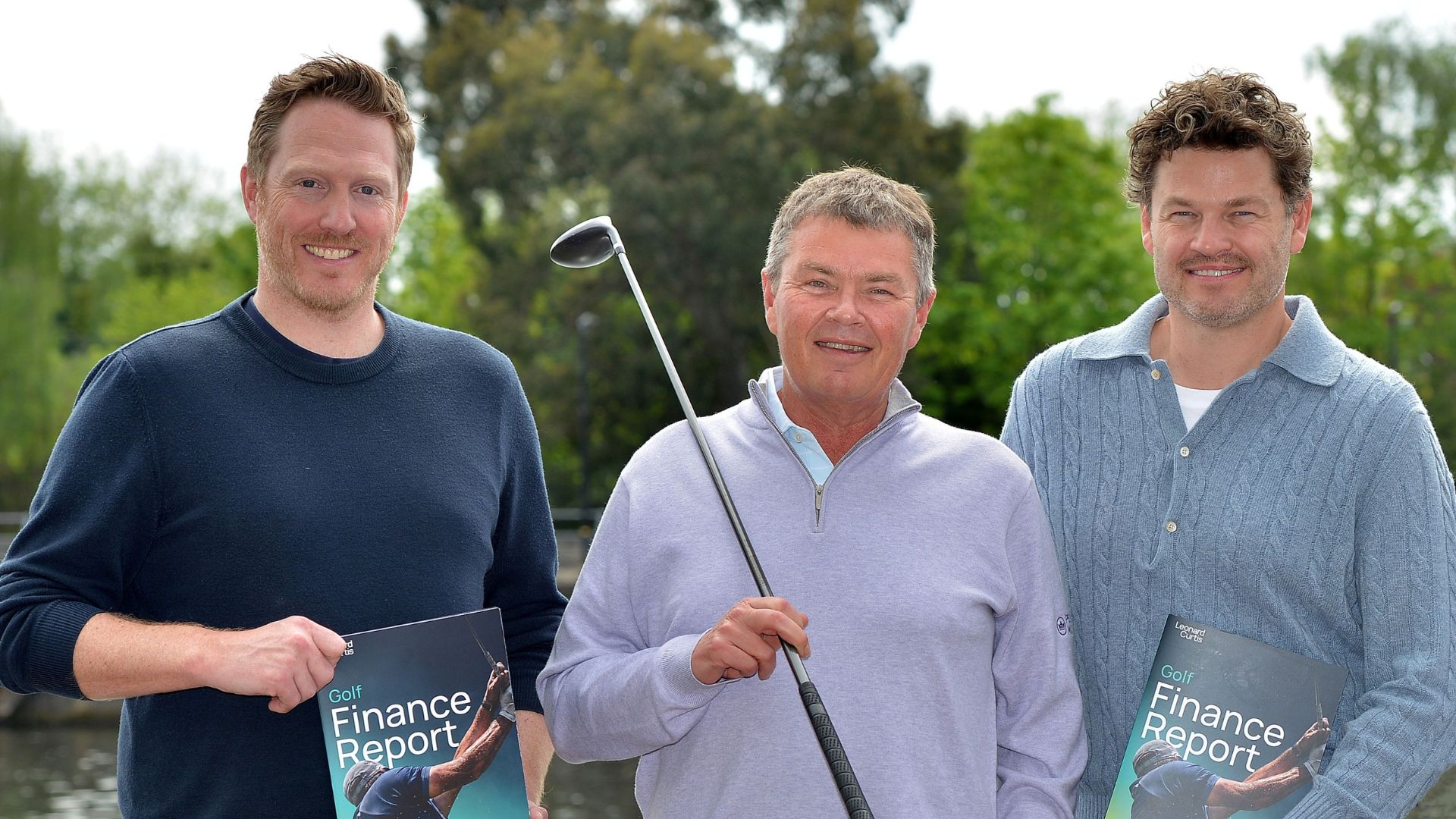
UCFB academic co-authors report into finances in elite golf
View Research
Academic Journal Articles
Business, Finance & Law
Financial turmoil in English professional rugby: a holistic performance assessment of English rugby union clubs
View Research

Books
Sports Coaching, Physical Education & Performance Analysis
Football Coaching: Putting Theory into Practice
View Research
Our Partners