Who’s broadcasting the World Cup Final, and What are the rights really worth?
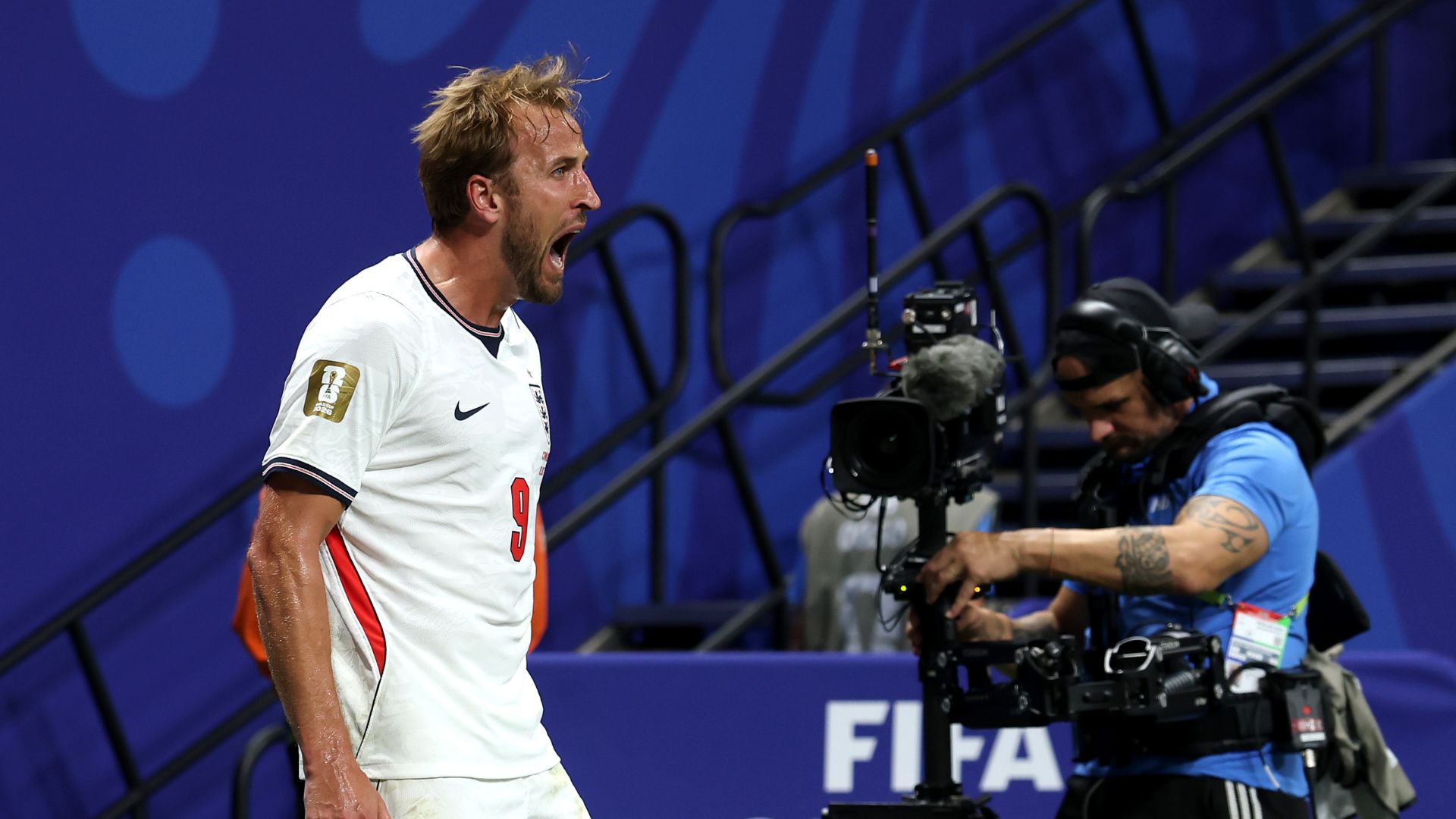
The FIFA World Cup Final is one of the most-watched sporting events on Earth. Every four years, billions of viewers tune in to watch football’s biggest match, making it one of the most valuable television properties ever created.
But behind every broadcast is a complex web of negotiations worth billions of dollars. The FIFA World Cup broadcasting rights determine who can air matches in each country, how fans watch the tournament, and ultimately how FIFA generates a huge proportion of its income.
With the expanded 2026 tournament featuring 48 teams and 104 matches, broadcasting has become an even bigger commercial story than ever before.
Who is broadcasting the 2026 FIFA World Cup Final?
The broadcaster depends entirely on where you live.
In the United Kingdom, the World Cup Final continues to be shared between the BBC and ITV, with both networks holding free-to-air rights for the tournament. This long-standing arrangement means viewers can choose either broadcaster for the final.
In the United States:
- FOX carries English-language coverage.
- Telemundo broadcasts the tournament in Spanish.
Canada’s coverage is provided by Bell Media across TSN, CTV and RDS, while dozens of broadcasters around the world have secured territory-specific agreements directly with FIFA.
How do FIFA World Cup broadcasting rights work?
Unlike domestic football leagues, FIFA sells television and streaming rights on a country-by-country basis.
Rather than one global broadcaster, individual companies bid for exclusive rights within their territories.
These agreements typically include:
- Live television coverage
- Digital streaming rights
- Mobile viewing rights
- Highlights packages
- Radio broadcasting
- Social media clip licensing
The size of each deal depends on several factors, including population, football popularity, advertising potential and expected viewing figures.
Major markets such as the United States, United Kingdom, Germany, Brazil and Japan command significantly higher fees than smaller territories.
What is the broadcasting rights cost for the World Cup?
The broadcasting rights cost for the FIFA World Cup has risen dramatically over the past two decades.
For the entire 2023–2026 commercial cycle, FIFA has budgeted approximately $4.26 billion in broadcasting revenue, making media rights its single largest source of income.
Industry estimates suggest media rights tied specifically to the 2026 tournament are expected to exceed $3.8 billion, driven by the tournament’s expansion from 64 to 104 matches.
However, individual national deals vary enormously.
Examples include:
- FOX reportedly secured its U.S. English-language rights through 2026 under a long-term extension valued at roughly $480 million.
- China reportedly finalised its 2026 rights package for around $60 million, significantly below FIFA’s initial expectations.
- Other Asian markets also negotiated reduced fees after FIFA’s original asking prices proved difficult to justify commercially.
These examples show that the broadcasting rights cost is heavily influenced by local market conditions rather than a universal pricing model.
Why are World Cup broadcasting rights so valuable?
Few sporting events deliver the scale of audience that the FIFA World Cup can.
The final alone attracts well over one billion viewers worldwide, while the tournament as a whole generates billions of digital interactions and television impressions. The expanded 2026 competition is expected to reach record levels of global engagement.
For broadcasters, exclusive coverage provides:
- Massive advertising revenue
- Subscriber growth
- Increased streaming engagement
- Premium sponsorship opportunities
- Enhanced brand prestige
Owning the World Cup often becomes the flagship event in a broadcaster’s entire sports portfolio.
Why the 2026 tournament changes everything
The 2026 FIFA World Cup is unlike any previous edition.
For the first time:
- 48 national teams will compete.
- The tournament features 104 matches.
- Three countries: The United States, Canada and Mexico, are hosting together.
While more matches create additional advertising inventory, they also increase production costs.
Broadcasters must deploy larger commentary teams, more camera crews and additional technical infrastructure across multiple venues and time zones. Reuters reported that networks have mobilised thousands of staff to manage the tournament’s unprecedented scale.
Streaming is becoming just as important as television
Traditional television remains the primary way most fans watch the World Cup, but streaming rights have become increasingly valuable.
Many broadcasters now package television and digital rights together, allowing viewers to watch matches through official apps and online platforms.
FIFA has also expanded partnerships with digital platforms, including agreements that enable licensed broadcasters to distribute selected content through services such as YouTube and TikTok in certain markets.
This reflects the growing importance of younger audiences who increasingly consume sport online rather than through conventional television.
Why every territory pays a different price
One of the biggest misconceptions is that every broadcaster pays the same amount.
In reality, broadcasting rights are negotiated separately for each country.
Pricing depends on factors including:
- Audience size
- Football popularity
- Advertising market value
- Subscription revenue potential
- Competition from rival broadcasters
- Local viewing habits
This explains why rights in countries with enormous football audiences can be worth hundreds of millions of dollars, while smaller markets negotiate much lower fees.
Will broadcasting rights continue to rise?
Despite increasing competition from streaming services, analysts expect the value of FIFA World Cup broadcasting rights to remain exceptionally strong.
Although some territories have pushed back against FIFA’s pricing expectations, global demand for premium live sport continues to make the World Cup one of the most desirable properties in broadcasting. Industry forecasts point to record overall tournament revenues, even as the value per individual match becomes more diluted because of the expanded schedule.
Final thoughts
The FIFA World Cup is much more than a football tournament; it’s one of the world’s largest media businesses.
The FIFA World Cup broadcasting rights generate billions of dollars, shape how billions of fans watch the competition and represent the financial foundation of FIFA’s commercial success.
As the tournament expands and digital viewing continues to evolve, the broadcasting rights cost will remain one of the biggest talking points in global sport. Whether viewers tune in through traditional television or streaming platforms, the battle for World Cup rights is likely to become even more competitive in future tournaments.


You may also be interested in

Academics
Industry Partners
Sport
October 23, 2023 |
UCFB course leader aims to take his lacrosse team to LA Olympic glory
Read Post

Academics
December 3, 2025 |
In The Hot Seat: UCFB Sports Broadcasting lecturer David Johnson
Read Post

Guest Speakers
September 11, 2024 |
Quickfire Questions with Natalie Sawyer
Read Post
Our Partners