A Collective Case Study of Parent–Athlete–Coach Triads in British Youth Tennis
Ella Tagliavini, Chris Harwood, Sophia Jowett, Sam Thrower
Details
https://doi.org/10.1123/tsp.2023-0014
Tagliavini, E. F., Harwood, C. G., Jowett, S., & Thrower, S. N. (2024). A Collective Case Study of Parent–Athlete–Coach Triads in British Youth Tennis. The Sport Psychologist, 38(1), 14-27. Retrieved Jun 17, 2026, from https://doi.org/10.1123/tsp.2023-0014
Published December 1, 2023
Abstract
While important for athletic development and well-being in youth sport, knowledge remains limited around the processes underpinning triadic relationships between parents, athletes, and coaches. This study aimed to examine the relational processes that drive the functioning of parent–athlete–coach triads across three developmental stages of youth tennis. Using a collective-case-study design, 10 players, 10 coaches, and 9 mothers completed preinterview tasks and semistructured interviews and provided conversational history. Reflexive thematic analysis led to the generation of two higher order themes: foundations of relationship quality and factors enabling team effectiveness. Findings highlighted how specific relationship qualities (i.e., commitment, trust, respect, and parent–coach proximity) and team effectiveness constructs (i.e., shared goals, collaborative and adjusted roles, support, and role-specific communication) served to facilitate the tennis experience for triads. Scholars are encouraged to consider integrating small-group principles (e.g., team building) into tailored support programs that address the psychosocial needs of the triad.


You may also be interested in
Books
Pedagogy
Sports Coaching, Physical Education & Performance Analysis
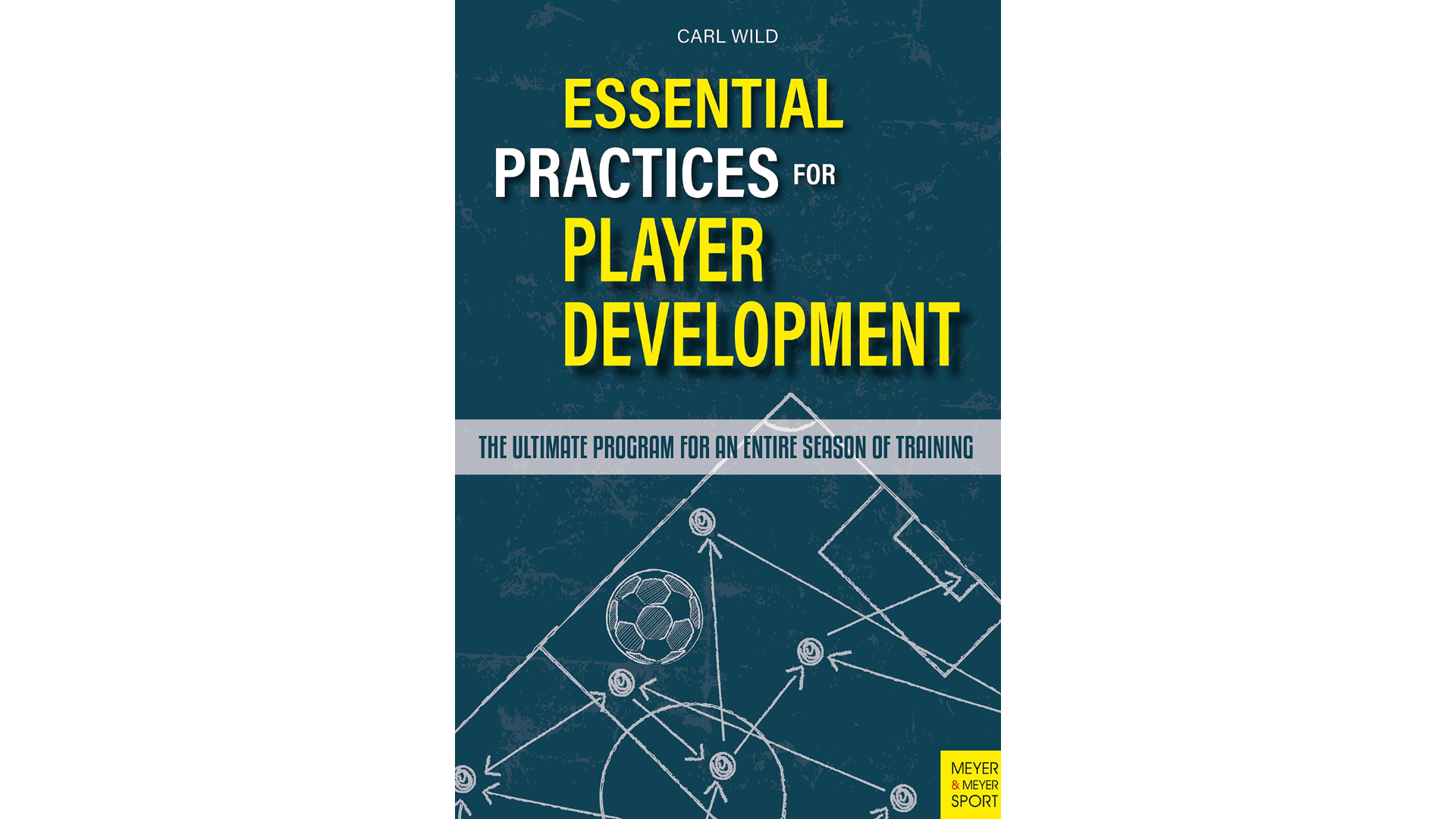
Essential Practices for Player Development
View Research

Case Studies
Reclaiming Narratives: continued – For Club and Country: Sol Campbell
View Research
Books
Sports Coaching, Physical Education & Performance Analysis
A race to the bottom: The recruitment of pre-academy children into Premier League football academies
View Research
Our Partners