FIFA World Cup 2026 Revenue and Prize Money: Where Does the Money Actually Go?
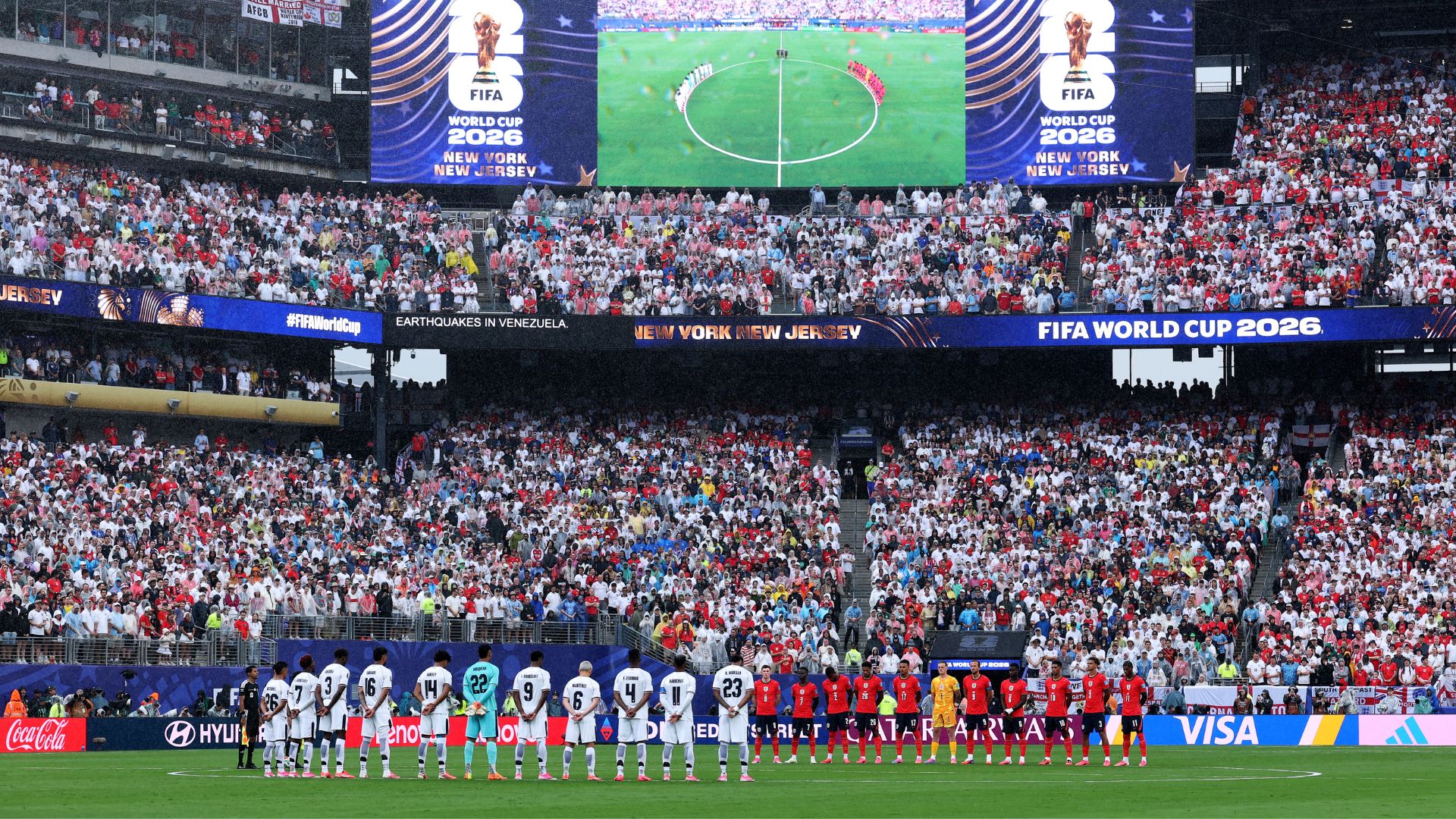
The FIFA World Cup isn’t just the biggest tournament in football; it’s also one of the world’s largest sporting businesses.
Every edition generates billions of dollars through broadcasting deals, sponsorships, ticket sales and commercial partnerships. With the expanded 48-team format making its debut in 2026, FIFA World Cup revenue is expected to reach record levels, while the prize money awarded to participating nations has also increased significantly.
But where does all that money actually go?
From the winning team’s payout to investment in grassroots football and operational costs, here’s how FIFA distributes the billions generated by the world’s biggest sporting event.
How Much Revenue Will the 2026 FIFA World Cup Generate?
The 2026 tournament is expected to be FIFA’s most lucrative competition ever.
FIFA has projected more than $11 billion in revenue across its current commercial cycle (2023-2026), with the expanded World Cup serving as the primary driver of that growth. The increase is largely due to:
- More matches (104 instead of 64)
- More participating nations (48 instead of 32)
- Higher broadcasting income
- Increased sponsorship opportunities
- Greater ticket and hospitality sales
The expansion gives FIFA significantly more inventory to sell, from additional television rights to more premium hospitality experiences and commercial partnerships.
Where Does FIFA World Cup Revenue Come From?
The World Cup generates income from several major revenue streams.
Broadcasting Rights
Television and streaming rights remain FIFA’s single biggest source of income.
Broadcasters across the globe pay billions of dollars for the exclusive right to show World Cup matches, making media rights the foundation of FIFA’s business model.
Sponsorship and Commercial Partnerships
Global brands invest heavily to associate themselves with the tournament.
Official sponsors receive worldwide exposure across stadium advertising, digital platforms, television broadcasts and promotional campaigns.
Ticket Sales
With 104 matches taking place across the United States, Canada and Mexico, millions of tickets will be sold throughout the tournament.
Premium hospitality packages and corporate experiences generate particularly high revenues alongside general admission ticket sales.
Licensing and Merchandise
Official World Cup merchandise, video games, collectibles and licensing agreements provide another substantial source of income throughout the tournament.
FIFA World Cup 2026 Winner Prize Money
One of the biggest talking points surrounding the tournament is the FIFA World Cup 2026 winner prize money.
FIFA has approved a record financial distribution package for participating nations.
The current prize structure includes:
| Finishing Position | Prize Money |
|---|---|
| Winners | $50 million |
| Runners-up | $33 million |
| Third place | $29 million |
| Fourth place | $27 million |
| Quarter-finalists | $19 million |
| Round of 16 | $15 million |
| Round of 32 | $11 million |
| Group stage exits | $9 million |
In addition, every qualified nation receives $1.5 million in preparation funding before the tournament begins, guaranteeing each participating football association at least $10.5 million.
Does the Winning Team Receive the Entire $50 Million?
Not exactly.
FIFA pays prize money to each country’s national football association, not directly to players.
Each federation decides how much is distributed to players, coaches and staff through bonus agreements.
For example, some countries split prize money equally among players, while others allocate a larger proportion to football development or federation operations.
This means the amount individual players receive varies significantly from country to country.
Where Does the Rest of FIFA World Cup Revenue Go?
Although prize money attracts the headlines, it represents only a small proportion of overall FIFA World Cup revenue.
Revenue is distributed across several key areas.
Football Development
FIFA reinvests a significant portion of its income into football development programmes around the world.
These initiatives include:
- Grassroots football
- Women’s football
- Youth competitions
- Coach education
- Infrastructure projects
- Referee development
Through programmes such as FIFA Forward, funding is distributed to all 211 member associations to help grow the game globally.
Tournament Operations
Hosting a World Cup involves enormous operational costs.
FIFA covers expenses including:
- Tournament organisation
- Technology and VAR systems
- Security coordination
- Marketing
- Staff
- Broadcasting infrastructure
- Logistics across three host nations
The 2026 tournament’s expanded format naturally increases many of these costs.
Club Compensation
Professional clubs are also compensated when their players participate in the World Cup.
Through FIFA’s Club Benefits Programme, clubs receive payments based on the number of days their players spend at the tournament.
This helps offset the disruption caused by releasing players for international duty.
Why Is the 2026 Tournament Worth So Much More?
Several factors explain the sharp increase in revenue.
The 2026 tournament features:
- 48 teams instead of 32
- 104 matches instead of 64
- More television inventory
- More sponsorship opportunities
- Larger stadium capacities
- Greater global commercial reach
Every additional match creates new advertising opportunities, more ticket sales and increased broadcasting value.
For sports business professionals, the expansion demonstrates how changing a tournament format can dramatically increase commercial revenues.
What Can Sports Business Students Learn From FIFA’s Model?
The World Cup offers one of the best real-world examples of modern sports business.
Behind every match lies a complex commercial operation involving:
- Broadcasting negotiations
- Sponsorship activation
- Event management
- Finance
- Marketing
- Brand partnerships
- International logistics
These are the same commercial disciplines taught on sports business and football business degree programmes, making the FIFA World Cup a valuable case study for anyone considering a career in the sports industry.
Understanding FIFA World Cup revenue isn’t just about football; it’s about learning how global sporting events become multi-billion-dollar businesses.
Final Thoughts
The 2026 FIFA World Cup will set new financial records, generating billions of dollars while distributing the largest prize fund in tournament history.
The FIFA World Cup 2026 winner prize money of $50 million is only one piece of a much larger commercial ecosystem. Broadcasting deals, sponsorship agreements, ticket sales and licensing combine to make the World Cup one of the most valuable sporting properties in the world.
For fans, it’s about unforgettable moments on the pitch. For students interested in sports business, it’s a fascinating example of how strategic marketing, finance and commercial partnerships transform a football tournament into a global economic powerhouse.


You may also be interested in

Guest Speakers
Organisation News
December 15, 2022 |
Sean Dyche Awarded Honorary Fellowship at UCFB Class of 2022 Graduation
Read Post

Industry Insight
July 1, 2022 |
Five careers from a degree in Sports Coaching Science
Read Post

Events
Student Life
March 16, 2026 |
UCFB student looks back on Bolton Wanderers Industry Insight Day
Read Post
Our Partners