The growth of soccer’s influence in the United States across the 21st century
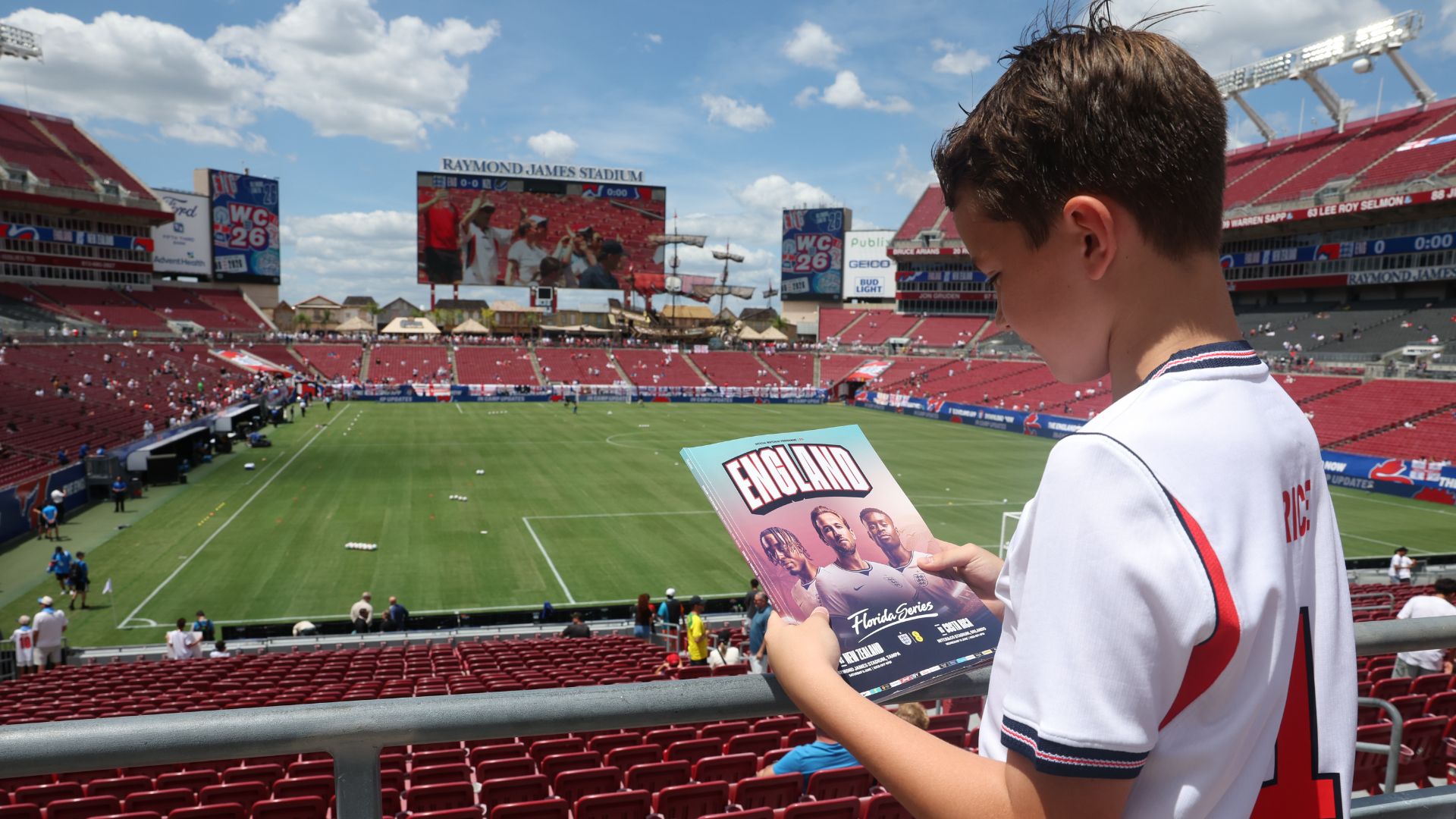
As the countdown to the 2026 FIFA World Cup begins, the United States finds itself at the centre of the global football conversation like never before. For a nation historically dominated by American football, basketball, and baseball, the rise of soccer across the 21st century represents one of the most fascinating cultural and commercial shifts in modern sport.
For students of the game and aspiring professionals, particularly those following pathways like UCFB, the American soccer story offers a compelling case study in strategic growth, globalisation, and the power of sport to reshape identity.
From Niche to Mainstream
At the turn of the millennium, soccer in the United States occupied a relatively modest position. Major League Soccer (MLS), founded in 1996, was still fighting for stability, relevance, and attention in a crowded sports market. Attendances were inconsistent, media coverage limited, and global stars were largely absent.
Fast forward to today, and the landscape has transformed dramatically. MLS has expanded rapidly, both in terms of franchises and fan engagement, with clubs now embedded in key metropolitan areas. Purpose-built stadiums, improved youth academies, and stronger commercial partnerships have all contributed to a more sustainable and attractive league model.
The arrival of global icons in the latter part of the century, combined with the rise of homegrown American talent, has helped bridge the gap between domestic and international football cultures.
The Global Game Meets American Culture
One of the defining factors behind soccer’s growth in the United States is its alignment with globalisation. As media consumption habits have evolved, American audiences have gained unprecedented access to top European leagues. The Premier League, in particular, has built a substantial following in the U.S., with early kick-offs becoming a staple of weekend viewing for dedicated fans.
Streaming platforms, social media, and digital storytelling have enabled younger audiences to connect with clubs, players, and narratives beyond geographical boundaries. This shift has been crucial in embedding soccer into the cultural fabric of a new generation.
For students and aspiring professionals, this also highlights the importance of media, marketing, and fan engagement in modern sport; areas that are increasingly central to the football industry.
Youth Development and Participation
Another key driver of soccer’s rise has been its accessibility at grassroots level. Soccer is now one of the most played sports among young people in the United States, with participation rates continuing to grow across both boys’ and girls’ pathways.
The development of structured academy systems, influenced by European models, has significantly improved the quality of player development. American players are now making regular appearances in top European leagues, signalling a shift in perception from the U.S. as a developing football nation to a credible talent exporter.
This evolution provides valuable insight into long-term athlete development strategies; an area of increasing interest for students pursuing careers in coaching, performance analysis, and sports management.
The 2026 FIFA World Cup: A Defining Moment
The upcoming 2026 FIFA World Cup, co-hosted by the United States, Canada, and Mexico, represents a landmark opportunity for the sport’s continued growth. With expanded tournament formats, increased global attention, and matches hosted across major U.S. cities, the event is expected to leave a lasting legacy.
Infrastructure investment, fan engagement initiatives, and commercial partnerships are already accelerating in preparation. More importantly, the tournament offers a chance to inspire a new generation of players, fans, and industry professionals.
For students at institutions like UCFB, this moment is particularly significant. The World Cup will not only showcase elite performance on the pitch but also highlight the vast ecosystem behind the game, from event management and broadcasting to sponsorship and analytics.
A Future Built on Momentum
The growth of soccer in the United States is no longer a question of potential; it is a reality backed by data, investment, and cultural relevance. As the 2026 FIFA World Cup approaches, the sport is poised to reach unprecedented heights within the American market.
For football fans and students alike, the U.S. journey offers valuable lessons in innovation, adaptability, and the global nature of modern sport. Whether on the pitch or behind the scenes, the opportunities within soccer have never been greater.
As the world turns its attention to North America in 2026, one thing is clear: soccer in the United States is no longer emerging. It has arrived.


You may also be interested in

Academics
May 30, 2023 |
UCFB lecturer contributes to new football fan governing report
Read Post

Academics
September 8, 2025 |
UCFB course leader’s top advice for those pursuing careers in the sports industry
Read Post
Organisation News
February 17, 2026 |
Score Your Career Goals in sport with UCFB in September 2026
Read Post
Our Partners